Rapture Revisited: The 1979 Spanish Horror That Shaped Almodóvar
Iván Zulueta's 1979 cult horror Rapture returns, with a young Pedro Almodóvar dubbing a female voice — and the roots of his whole cinematic method.
Programme
- Iván Zulueta directed Rapture, a cult supernatural mystery from 1979.
- A young Pedro Almodóvar provided voice-overdubbing for one female character in the film.
- The review traces Almodóvar's signature techniques — cinemania, double-stranded narrative, queer euphoria, extended flashbacks — back to Zulueta's film.
Iván Zulueta's 1979 cult supernatural mystery Rapture remains, on reappraisal, a deeply strange film — a piece of Spanish cinema that opens with almost ten minutes unfolding in what one critic has called a jittery quiet.
The film is not flawless. There are longueurs, and one of its leads delivers what has been described as pop-eyed silent-movie acting. Yet the review's verdict is clear: Rapture sustains a deeply unnerving, enveloping atmosphere of dread that outweighs its imperfections.
Part of the film's enduring fascination lies in its marginal connection to Pedro Almodóvar. The young Almodóvar, then years away from his own directorial debut, provided voice-overdubbing for one female character — a vocal cameo that now reads as a footnote in the history of Spanish cinema.
Zulueta maintained his connection with Almodóvar after the film, and the influence ran deep. Much of Almodóvar's procedure, the review argues, can be traced back to this film. Four elements stand out: the rapture for movies themselves — what a character in Rapture calls "cinemania" — the double-stranded narrative, the queer euphoria, and the importance of extended flashbacks.
Each of these became an Almodóvar signature. The double-stranded narratives of All About My Mother and Julieta, the extended flashbacks structuring Pain and Glory, the cinephile obsession running through Broken Embraces — all have an ancestor in Zulueta's strange 1979 creation.
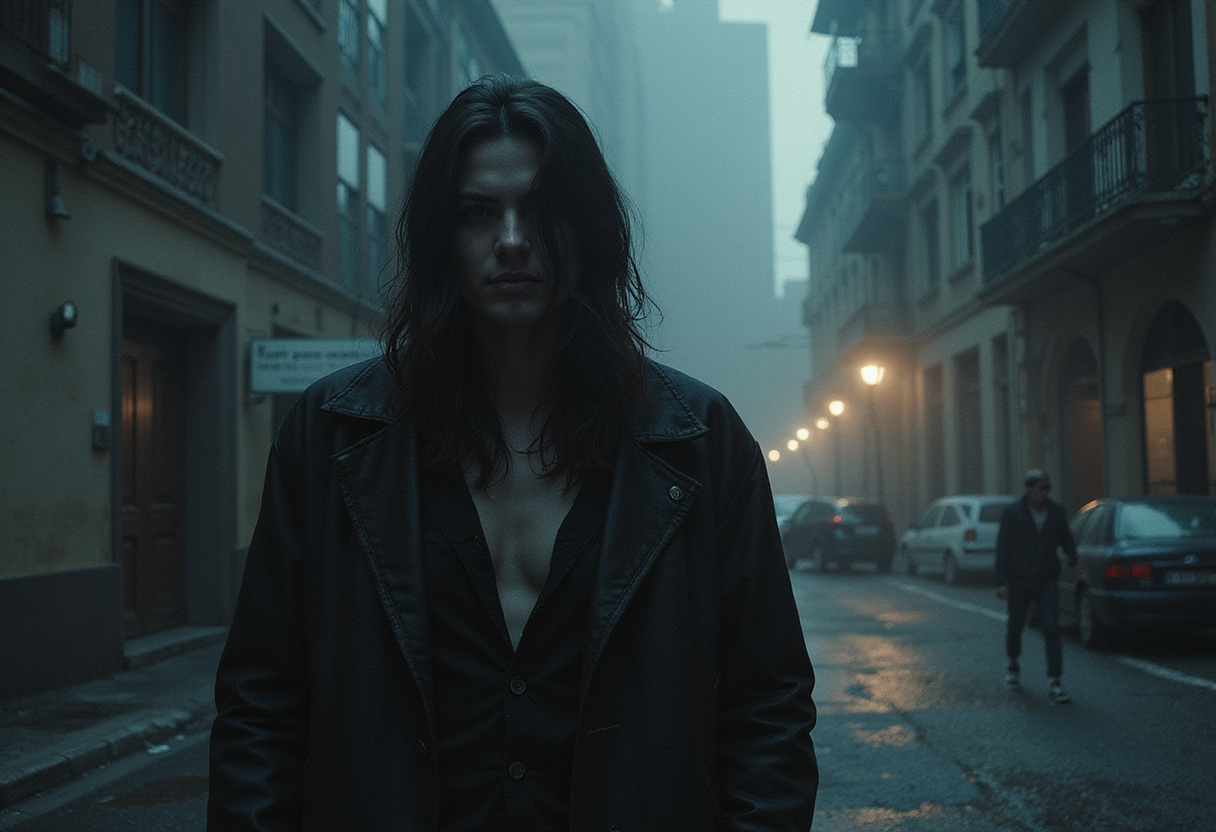
The film's opening sets its terms precisely. Nearly ten minutes pass in near-silence, the camera jittery, the mood unsettled. This is deliberate procedure, not accident: Zulueta builds dread through withholding, through atmosphere rather than shock.
That atmosphere is what has kept Rapture a cult object for more than four decades. The film's strangeness — its refusal of conventional horror pacing, its dream logic, its uneasy quiet — distinguishes it from both its contemporaries and its imitators.
For audiences coming to Rapture through Almodóvar, the film offers a genealogy. The "cinemania" a character names on screen became the engine of Almodóvar's entire career: films about people shaped, saved, and undone by other films.
The reappraisal suggests Rapture deserves attention not as a curio but as a source text — the picture where key strands of modern Spanish cinema first braided together, in a horror film quiet enough to hear them forming.
Source: Guardian Film
More from Marcus Bennett
Show full bio
Staff writer covering industry trends and analytics at Arts & Voices.
212 articles